We've Been Quiet - Here's What We've Been Building
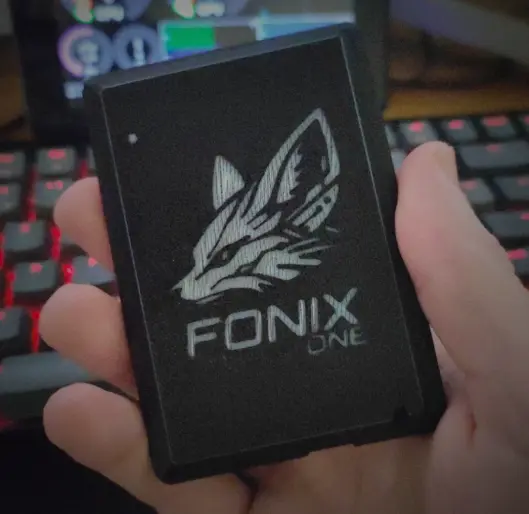
First, thank you
This week several thousand of you found your way to the site. That kind of sudden interest means a lot for a project like this, so -genuinely- thank you for stopping by.
Where I've been
I'll be honest about part of the reason it went quiet here: my attention had been on another project. Axion is a browser-native guitar amp and effects rig, a full amp and pedalboard that runs entirely in the browser, no install, with NAM support, premium impulse responses, MIDI, and preset sharing. It took a lot of focus to get right.
The good news is that Axion is now in a genuinely good place. It's stable, polished, and standing on its own two feet. Which means the thing I've been itching to do is finally happening: my full attention is back on Fonix One.
If it looked quiet here, I understand why you'd think so. The truth is the opposite: the website has been still while the device has been moving constantly. Development never paused. It just happened in the firmware, where it's harder to see.
So here's an overdue look behind the curtain..
The AirPods problem nobody likes to admit
If you've ever used a small, self-built, or budget Bluetooth music player with AirPods or Beats, you may have heard it: audio that hitches, stutters, or briefly jams, but only sometimes, and only on Apple earbuds. Plug in any other headphones or a regular Bluetooth speaker and everything is flawless.
It turns out this is real, it's specific to Apple's wireless devices, and it's stubborn. When the screen was doing heavy work (animated wallpapers, sliding transitions between screens) Apple sinks would quietly throttle the audio link and the sound would drop out for anywhere from a fraction of a second to a few seconds.
I chased this one hard. Across sixteen instrumented test builds I ruled out the usual suspects one by one; scheduling, memory layout, the radio, bus timing, you name it. The conclusion: the coupling lives at a layer below anything the player itself can reach. It's baked into how those particular earbuds pace the connection. There was no clean "flip a switch and fix it" available.
How we solved it
So instead of fighting a battle that couldn't be won head-on, Fonix One now simply recognises when you've connected an Apple device.
When it sees AirPods, Beats, or another Apple sink, it automatically takes the pressure off the display: animated wallpapers hold their frame as a static background, and screen changes switch instantly instead of sliding. Everything you actually interact with (navigating, changing tracks, the visualizers) stays fully responsive. The result is rock-solid, glitch-free audio on Apple earbuds.
The best part: it's completely automatic and invisible. Connect a non-Apple speaker or headphones and the full animations come right back. You never have to think about it.
This is the kind of work that doesn't make for a flashy screenshot, but it's exactly the kind of thing that decides whether a music player is a toy or something you actually trust with your daily listening.
What's coming next
This is the part I'm most excited about. While the site's been quiet, a lot has been taking shape:
- Something special for early backers. The people who believed in this early shouldn't be treated the same as everyone who shows up later. We're putting together dedicated options to recognise that.
- Packaging. Fonix One is becoming a real product you can hold, not just a board on a desk.. and that means doing the unglamorous, important work of how it's built, boxed, and delivered.
- Several big announcements. There's more to share than fits in one post, and it's close.
I don't want to spoil any of it before it's ready, so I'll just say: it's worth sticking around for.
Stay in the loop
If you don't want to miss what's next, join the waitlist — that's where the announcements land first.
More soon. This time, a lot sooner.